




Hello!

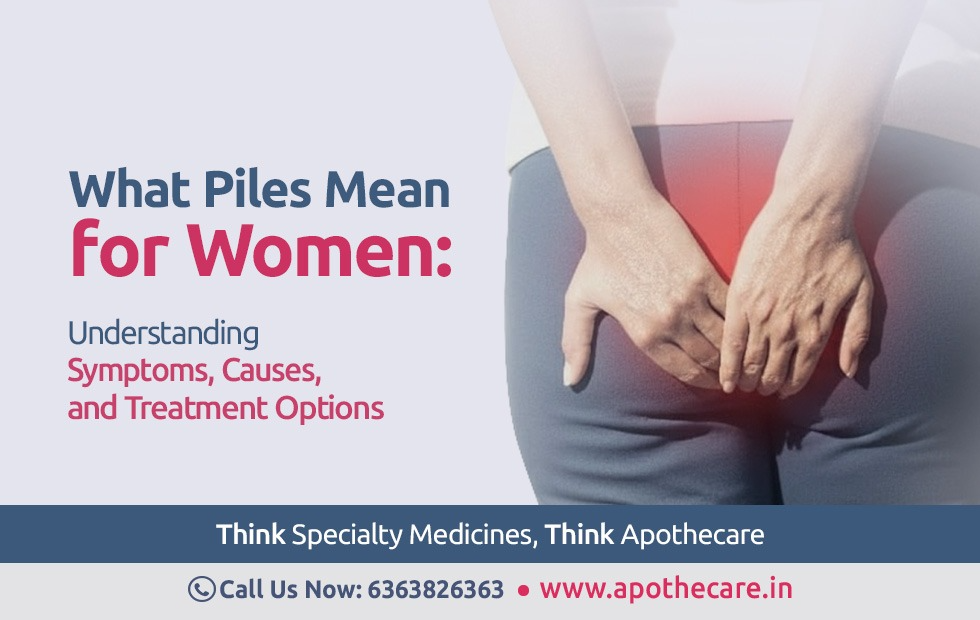
Piles, also known as hemorrhoids, are swollen blood vessels located in the rectal area that can be particularly problematic for women. Although piles can affect individuals of all genders, it's essential to understand the specific symptoms, causes, and treatment options in women for early detection and management. This blog provides a comprehensive overview of piles in women, including their types, risk factors, diagnosis, and prevention methods.
Piles are categorized into two types:
Internal Hemorrhoids: Located inside the rectum, internal piles are typically painless but may cause bleeding during bowel movements. They may protrude outside during straining.
External Hemorrhoids: Found under the skin around the anus, these can cause pain, swelling, and irritation. External piles can form clots, leading to thrombosed hemorrhoids, which are severely painful.
Recognizing the symptoms of piles is crucial for timely medical intervention. Women may experience a variety of symptoms that can significantly affect their quality of life:
Several factors contribute to the development of piles in women, including:
In addition to the common causes, certain risk factors may specifically affect women:
Treatment options vary based on severity and may include:
Many women find relief from symptoms by using natural remedies such as:
Preventative measures include:
When to See a Doctor
Consulting a healthcare professional is vital for women who experience persistent symptoms such as:
Conclusion
Piles are a common condition affecting many women, and awareness of the symptoms and causes is crucial for effective management. Early recognition of signs such as pain, itching, and rectal bleeding can lead to appropriate treatment and lifestyle changes that prevent this condition. With proper care and lifestyle adjustments, managing piles is possible, allowing women to maintain.
1. What are the common symptoms of piles in female patients?
The most common symptoms of piles in female patients include pain or discomfort during bowel movements, itching around the anus, swelling or lumps near the anal area, and bright red bleeding in stool or on toilet paper. Some women may also experience mucus discharge or a feeling of incomplete bowel evacuation.
2. What causes piles in women?
What causes piles in women is often linked to increased pressure on rectal veins. Common causes include chronic constipation, straining during bowel movements, pregnancy, childbirth, obesity, prolonged sitting, and a low-fiber diet. Hormonal changes during pregnancy and menopause can also increase the risk.
3. Are female piles common during pregnancy?
Yes, female piles are very common during pregnancy due to hormonal changes and increased pressure from the growing uterus on pelvic veins. Constipation during pregnancy further increases the likelihood of developing piles, especially in the later trimesters.
4. Can piles in women go away on their own?
Mild piles in women can often improve with lifestyle changes such as a high-fiber diet, adequate water intake, and avoiding straining during bowel movements. However, persistent or severe piles may require medical treatment, including medications or minimally invasive procedures.
5. When should a woman see a doctor for piles?
Women should consult a doctor if symptoms such as pain, bleeding, or swelling persist for more than a few days, worsen over time, or interfere with daily activities. Immediate medical attention is advised if there is heavy bleeding, severe pain, or sudden changes in bowel habits.
References
About Author