













Hello!

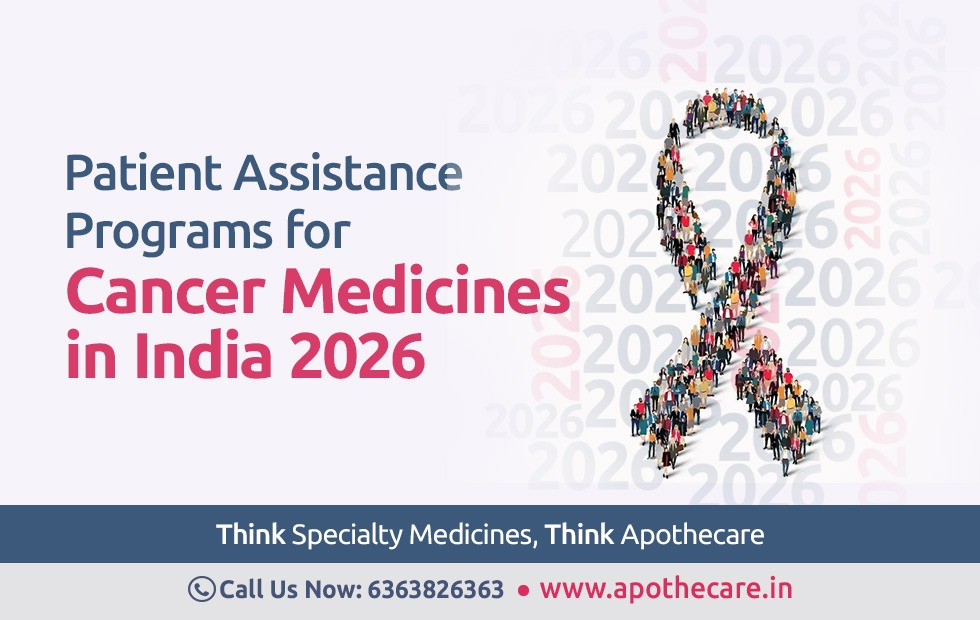
In India, Cancer medications and therapies can cost Lakhs of rupees creating a huge burden on patients and their families who are going through a rough patch of their life. Thankfully, Patient Assistance Program(PAP) for Cancer medicines in India provides support, subsidies, and access to essential drugs for eligible individuals.
Patient Assistance Programs (PAPs) are programs that are designed to help cancer patients pay for essential medicines and treatments that they might not be able to afford on their own.
These programs are offered by:
Pharmaceutical companies
Government agencies
Non-Governmental Organizations (NGOs)
Hospital welfare funds
The main goals of PAPs is to lower out-of-pocket costs for cancer medication and provide financial support in India to promote treatment compliance and avoid therapy abandonment because of financial limitations in cancer patients.
Healthcare professionals such as doctors, nurses and pharmacists usually help patients navigate these programs and submit applications when necessary.
Cancer medicines are among one of the costliest treatments in India. Although diagnostic and surgery costs have reduced due to better insurance coverage, the cost of anti-cancer drugs still remain high due to various reasons such as
Patent protection on novel molecules and biologics.
Import dependency for high-end targeted and immunotherapy drugs.
High R&D and clinical trial costs passed to consumers.
Limited local manufacturing of complex biologics.
Estimate cost breakdown of cancer treatment in India is as follows:
|
Type of Treatment |
Cost per Month/Cycle |
|
Chemotherapy Drugs |
₹35,000 to ₹1,00,000 |
|
Targeted Therapy |
₹1,80,000 to ₹3,50,000 |
|
Immunotherapy |
₹1,50,000 and ₹4,00,000 |
|
Supportive care medicines |
₹15,000–₹50,000 |
Such high costs of treatments put cancer patients into a financial burden pushing many to abandon the treatment leading to painful experiences for both the patient and their families.
This is where Patient Assistance programs come into picture playing an important role providing help to patients to access affordable treatment for cancer care.
PAPs reduce costs through:
Free or subsidized medicines via pharmaceutical companies.
Discounted co-payment programs based on income levels.
Donor-funded assistance from NGOs and CSR initiatives.
For example: Some PAPs cover 100% of the drug cost for low-income patients or offer “buy 1 get 1 free” models for long-term therapies.
Many pharmaceutical companies offer dedicated PAPs under their Corporate Social Responsibility or access programs and even out of goodwill. These PAP’s provide access to cancer medicines via prescription, financial vetting, and documentation.
|
Pharmaceutical Company |
Program Name |
Benefit |
|
Pfizer India |
Pfizer PAP India App |
Provides financial support to eligible candidates and also free drug access |
|
Sparsh Program |
Provides subsidized oncology medicines for eligible patients |
|
|
Novartis |
NPFA India |
Provides free or discounted access to targeted therapy |
|
Roche India |
Blue Tree Program |
Provides Guidance and financial support for Anti-Neoplastic drugs and other biologics |
Several Non Government Organisations (NGOs) in India provide Cancer treatment financial support by assisting with treatment cost and in some cases medicines as well. Some of these NGOs are:
Indian Cancer Society (ICS) – Offers financial support to underprivileged patients, often in collaboration with mutual fund CSR initiatives.
Cancer Patients Aid Association (CPAA) – Provides financial aid and rehabilitation support.
YouWeCan Foundation: Offers financial assistance up to ₹2 lakh for eligible patients.
Cancer Patients Aid Association (CPAA): Supports drug costs and post-treatment care.
Pallium India – Improves accessibility to pain relief drugs and palliative care.
Multiple schemes have been implemented by both central and state governments to provide financial support to cancer patients in India. Some of these are as follows:
Ayushman Bharat – PM Jan Arogya Yojana (PM-JAY): Offers financial support of up to ₹5 lakh per family per year to cover major cancer treatments including medicines, surgeries, and therapies.
Rashtriya Arogya Nidhi (RAN): Offers aid of up to ₹15 Lakhs for cancer patients below poverty line under the Health Minister’s Cancer Patient Fund.
Health Minister’s Cancer Patient Fund (HMCPF): Provides grants to patients availing treatment in government hospitals.
Chief Minister’s Relief Fund (Andhra Pradesh, Telangana, Tamil Nadu, etc.)
Guide to Applying for Cancer Medicine PAPs
Following steps are to be followed to apply for PAPs for cancer drugs in India.
Consult your Oncologist or Healthcare provider for eligible PAP recommendations.
Collect supporting documents (such as income certificate, prescription, identity proof etc) required for PAP application.
Identify relevant program/scheme i.e, Pharma PAP, NGO program or government scheme.
Submit the application form either through an online portal or through hospital welfare desks along with supporting documents.
Track your application status with the help of your case manager on regular time intervals.
Eligibility criteria varies from program to program. But some common criteria are as follows:
Annual Income: Must be below the poverty line or defined income slabs.
Medical Documentation: Necessity documentation such as a valid prescription from an Oncologist.
Proof of residence: The Patient must be an Indian Resident and provide residence proof.
Certain Government and NGO programs often prioritize vulnerable patients like paediatric or elderly and patients from lower income households.
Adhaar card / ID proof
Income Certificate / BPL Card
Valid prescription / Treatment plan from an Oncologist
Hospital cost estimate
Passport size photo
Bank details for reimbursements.
Ensure all documents are attested before submission to avoid processing delays.
|
Criteria |
Pharma PAPs |
NGOs |
Govt Schemes |
|
Type of Aid |
Free/subsidized drugs |
Grants & support |
Full/partial reimbursement |
|
Ease of Access |
Moderate |
Moderate |
High (empaneled hospitals) |
|
Eligibility |
Income-based |
Case-based |
BPL / State resident |
|
Coverage scope |
Specific drugs |
Broader expenses |
Treatment + hospitalization |
It is always advised to combine two PAP programs (like Government scheme + NGO Program) to obtain comprehensive assistance.
1. What are Patient Assistance Programs for Cancer Medicines in India?
These are programs offered by pharma companies, NGOs, or government schemes designed to help patients afford essential cancer medicines through subsidies or financial support.
2. How do I find out if I qualify for financial assistance for cancer medicines?
Start by consulting your treating oncologist or hospital social worker who can guide you through eligibility criteria for government schemes like PM-JAY or NGO/pharma support programs.
3. Can I get free cancer medicines in India under government schemes?
Yes, schemes like Ayushman Bharat PM-JAY and state health insurance programs often subsidize or cover cancer medicines when treatment is provided at empaneled hospitals.
4. Are there NGOs that directly provide financial aid for cancer treatment?
Yes, NGOs such as Indian Cancer Society and YouWeCan Cancer Treatment Fund provide grants and assistance for eligible patients.
5. What documents do I need to apply for government cancer treatment assistance?
Common documents include Aadhaar, income certificates, medical prescriptions, treatment plans, and hospital cost estimates.
About Author