Home Remedies for Headache & Migraine Relief
Headaches and migraines are common ailments that affect millions of people around the globe. While both conditions are often misconstrued as one and the same, understanding their distinctions is vital for effective relief. In this blog, we will discuss proven home remedies for headache and migraine relief, featuring fast treatment options, natural drinks, dietary plans, lifestyle modifications, and long-term strategies to manage these conditions reliably.
Understanding Headaches vs. Migraines: Why Relief Methods Differ
Headaches can be classified into various types, with tension headaches and migraines being the two most common. Tension headaches are usually characterized by a dull, aching sensation all around the head, often linked to stress, poor posture, or sleep disturbances. In contrast, migraines are typically more severe, often accompanied by symptoms such as nausea, vomiting, and sensitivity to light and sound. Understanding this difference is crucial because it directly influences the relief methods used.
Fast Home Remedies for Headache Relief (Works in Minutes)
- Cold Compress: Applying a cold compress to the forehead can constrict blood vessels, reducing inflammation and dulling pain. This method is particularly effective for migraines. Simply wrap ice in a cloth and place it on your forehead or temples for 15-20 minutes.
- Peppermint Oil: Inhalation of peppermint oil is known for its ability to relieve tension headaches. Apply diluted peppermint oil to your temples and massage gently. The cooling effect combined with the oil’s natural properties can provide quick relief.
- Ginger Tea: Ginger has anti-inflammatory properties that can help reduce headache symptoms. Brew some ginger tea by boiling fresh ginger slices in water for 10 minutes and then strain. Drink it once cooled.
- Caffeine: A small dose of caffeine can alleviate headache pain for some individuals. A cup of black coffee or a caffeinated tea may enhance the effectiveness of pain relievers.
- Hydration: Dehydration is a common trigger for headaches. Drinking water or an oral rehydration solution can provide quick relief by restoring fluid levels in the body.
Natural Drinks & Herbal Remedies for Headache Relief
- Turmeric Milk: Turmeric contains curcumin, which has anti-inflammatory properties. Mix a teaspoon of turmeric powder with warm milk and consume it before bed for preventive effects.
- Chamomile Tea: Chamomile is known for its calming properties. Drinking chamomile tea can help relax muscles and reduce headache severity.
- Feverfew: Feverfew is an herb attributed to reducing the frequency and severity of migraines. You can consume it in the form of tea or tablets after consulting with a healthcare professional.
- Lavender Infusion: Lavender not only smells delightful but also has calming effects. Brew lavender flowers in hot water to make a soothing infusion that can help relieve headaches.
Diet-Based Home Remedies for Migraine Prevention
- Magnesium-Rich Foods: Low magnesium levels have been linked to migraines. Incorporate more nuts, seeds, leafy greens, and whole grains into your diet to help prevent migraines.
- Avoid Processed Foods: Processed foods often contain preservatives and additives that may trigger headaches and migraines. Stick to whole foods whenever possible to minimize risk.
- Caffeine Control: While caffeine can relieve headaches in moderation, excessive intake can have the opposite effect. Monitor your caffeine consumption closely to find a balance.
Simple Exercises & Stretches to Get Relief from Headache
- Neck and Shoulder Stretches: Tension is often held in the neck and shoulder area, contributing to headaches. Regular neck and shoulder stretches can alleviate muscle tightness.
- Yoga and Breathing Exercises: Engaging in yoga or mindfulness breathing exercises can help reduce headache frequency and severity by lowering overall stress levels.
- Aerobic Exercise: Regular aerobic exercise such as brisk walking, jogging, or cycling can reduce the frequency of migraine attacks. Aim for at least 150 minutes per week, as this promotes overall well-being.
Home Remedies for Sinus Headache Relief
Sinus headaches can arise from sinusitis or allergies. To alleviate sinus headaches, try the following remedies:
- Steam Inhalation: Inhaling steam can clear nasal passages and relieve pressure in the sinuses. Add eucalyptus oil to enhance the effect.
- Saline Nasal Rinse: Using a saline solution to rinse your nasal passages can reduce inflammation and assist in clearing out any obstructions.
Lifestyle Remedies to Reduce Headaches Naturally
- Sleep Hygiene: Maintaining a regular sleep schedule and creating a comfortable sleeping environment can significantly reduce headache frequency. Aim for 7-9 hours of quality sleep each night.
- Stress Management: Techniques such as mindfulness meditation, progressive muscle relaxation, and engaging in hobbies can help manage stress effectively.
- Limit Screen Time: Prolonged exposure to screens can lead to eyestrain and headaches. Take regular breaks using the 20-20-20 rule: every 20 minutes, look at something 20 feet away for 20 seconds.
- Maintaining a Regular Eating Schedule: Skipping meals can trigger headaches for many individuals. Eating regular, balanced meals can help prevent sudden drops in blood sugar.
Supplements That Help With Headache & Migraine Relief.
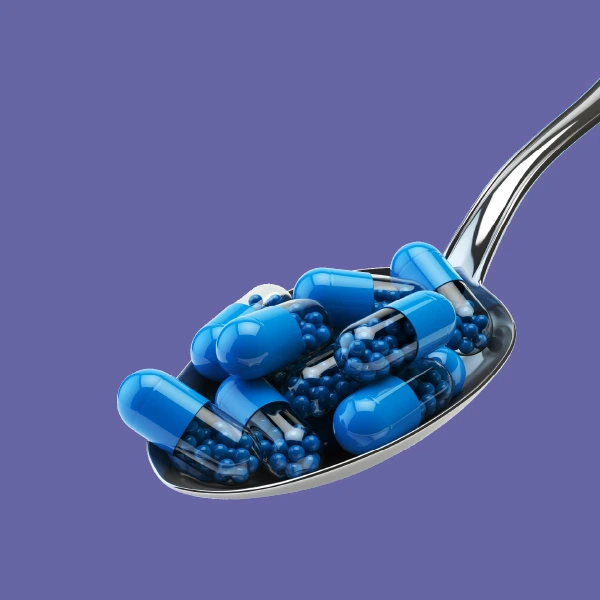
- Magnesium: Studies suggest that magnesium supplements can help prevent migraines in those with magnesium deficiency. Consult with a healthcare professional for the correct dosage.
- Vitamin B2 (Riboflavin): Riboflavin has been shown to reduce the frequency of migraines. Incorporate foods rich in B2 such as eggs, dairy, and green vegetables, or consider supplements.
- Coenzyme Q10: This antioxidant has been found to significantly reduce migraine frequency. Supplementation can be beneficial, especially for those with chronic migraines.
- Ginger Extract: As previously mentioned, ginger can help with headache relief. A standardized ginger extract can offer quick relief and has fewer side effects than traditional pain medications.
How to Cure Migraines Permanently (Long-Term Strategy)
While no single strategy guarantees permanent relief, a combination of lifestyle modifications, dietary changes, and medical guidance can significantly manage migraines. Here are several long-term strategies:
- Keep a Headache Diary: Tracking your headache episodes, associated triggers, and the effectiveness of treatments can help identify patterns and effective strategies for prevention.
- Preventive Medications: For those suffering from chronic migraines, considering preventive medications prescribed by a healthcare provider can be essential. These may include anticonvulsants or antidepressant medications.
- Cognitive Behavioral Therapy (CBT): Engaging in cognitive behavioral therapy has shown promise in reducing the frequency and intensity of migraines by addressing the psychological impact of chronic pain.
- Stay Educated About Triggers: Identifying and understanding specific migraine triggers—whether they be environmental, dietary, or emotional—can empower individuals to avoid them proactively.
When Home Remedies Are Not Enough (Danger Signs)
While home remedies can be effective for many, it's essential to recognize when medical attention is necessary. If you experience any of the following symptoms, consult a healthcare professional promptly:
- Sudden Onset of Severe Headache: Often described as the “worst headache of your life,” this may indicate an underlying serious condition, such as a hemorrhage.
- Persistent Symptoms: If headaches persist despite trying various remedies or become increasingly severe over time, a medical evaluation is essential.
- Neurological Symptoms: If headaches are accompanied by neurological symptoms such as vision changes, numbness, confusion, or difficulty speaking, seek immediate medical attention.
- Age Considerations: New headaches after the age of 50 should be evaluated by a healthcare provider, as they could signal a more serious issue.
- Change in Pattern: If your headache pattern changes, such as increased frequency or intensity, it's essential to consult with a healthcare provider for a thorough assessment.
Conclusion
Headaches and migraines can significantly impact daily life, but many effective home remedies can provide relief. By understanding the differences between headaches and migraines, utilizing fast home remedies, making dietary adjustments, incorporating supplements, and recognizing danger signs, individuals can better manage their headache and migraine symptoms.
While these home remedies can be effective, it is critical to maintain open communication with healthcare professionals for persistent symptoms, as they can assist in tailoring an individualized approach to headache management.
References:
1. Mayo Clinic. (n.d.). Headache management. Retrieved from https://www.mayoclinic.org
2.Serrano, D., & Saposnik, G. (2013). Primary headaches: A review. Canadian Medical Association Journal.
3. Sarchielli, P., et al. (2007). Migraine and medication overuse: Prevalence in a headache clinic. Journal of Neurology.
4. American Migraine Foundation. (n.d.). Nutrition and Migraine. Retrieved from https://americanmigrainefoundation.org
5. Lichtenstein, L. M. (2019). “Cognitive Behavioral Therapy and Migraine: An Intervention.” Headache.
6. Lipton, R. B., et al. (2001). Prevalence and burden of migraine in the US: A population-based study. Neurology.








About Author